One app instead of five logins. Built around how your team works.
We build the internal tools your team opens every shift: checklists, inspections, incidents, approvals and the numbers behind them. We start from how the work happens today, in spreadsheets, group chats and vendor portals, and build something that fits it rather than the other way round.
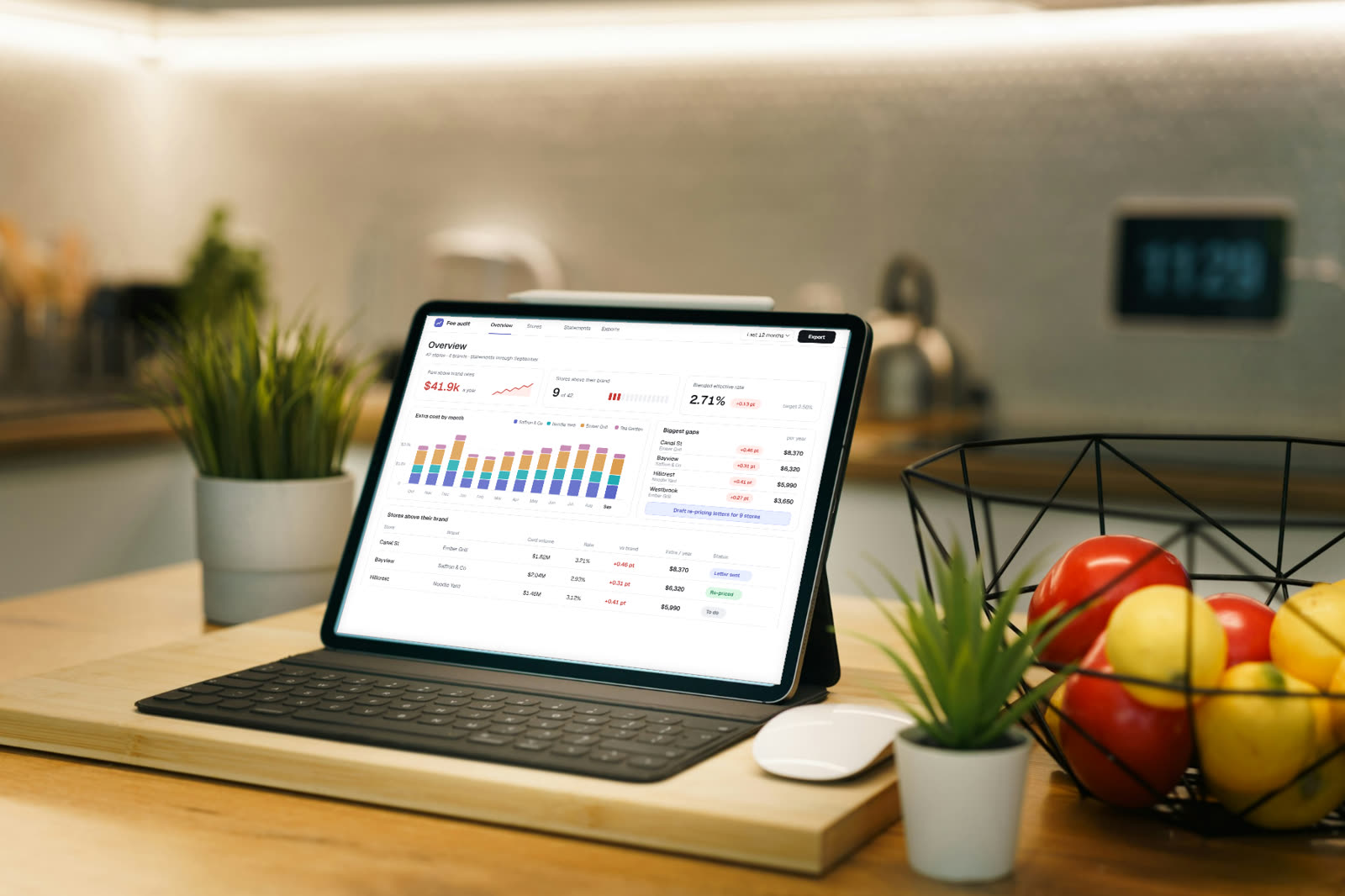
One of our screens on a real device. Photo from Unsplash; the screen uses sample data.
This is for you if
Three signs it is time.
- Your managers juggle several vendor logins, and none of them work well on a phone.
- A spreadsheet has quietly become the system, and only one person knows how it works.
- Off-the-shelf software covers most of the job, and your team spends hours working around the rest.
What changes
The daily questions, answered on one screen
Is the opening checklist done? Who's covering the desk? What happened in room three? The answers sit in one place instead of five.
Fewer messages chasing a sign-off
Requests and approvals move through the app with a record of who did what, instead of waiting in someone's inbox.
Software that changes when you do
You own the code and we know it well, so adding a checklist step or a new location is a small job, not a new project.
What's included
The usual scope. Every quote says exactly what is in and what is out.
Discovery
- Time on site or on calls with the people who will use it
- A map of the spreadsheets and systems it replaces or reads from
- A written scope that says what's in and what isn't
The app
- Checklists, inspections, maintenance and incident logs
- Approvals and permissions by role and location
- Screens for the numbers each role cares about
- Photos, signatures and files uploaded from a phone
- More than one language, switchable per person
Connections
- Point-of-sale, payroll, booking and camera systems
- Staff sign-in with roles, or through accounts you already use
- Excel exports for the people who still want a workbook
- Email and phone alerts when something needs a person
How it runs
The general process, shaped for this kind of job.
- 01
Shadow the work
We sit with the people who do the job, on the floor or on a call, and write down what they actually do, workarounds included.
- 02
Sketch the smallest useful version
We draw screens for the one or two tasks that cost the most time today and test them with your team before writing code.
- 03
Build in short rounds
Working pieces land on a test copy your team can use, and we adjust from what they tell us. Nobody waits months to see it.
- 04
Roll out one location at a time
We start with one site or one team, fix what a real day turns up, then roll out to the rest with short training for managers.
More of this kind of work. From the index.
- Multi-location venue operatorOperations
The whole venue, run from a manager’s phone.
- Multi-brand restaurant groupOperations
Every brand’s numbers, side by side on one screen.
- Low-voltage install teamField & media
Install quotes with a coverage map, not a sketch.
- Multi-store operatorFinance
Overpaying stores found, with a yearly cost on each.
Questions
Asked on first calls about this.
Why not buy something off the shelf?
Often you should, and we'll tell you when a product already does the job. Custom software makes sense when the off-the-shelf tool covers most of it and your team loses hours every week to the rest, or when you need several systems in one place.
Can it work with the systems we already have?
Usually. We connect to point-of-sale, payroll, booking and camera systems through their official connections where they exist, and through scheduled exports where they don't. We check what's possible before we quote.
Who owns the code?
You do. Once the project is paid for, the code, the data and the accounts it runs on are yours, and we hand over everything another developer would need to pick it up.
What if our process changes after launch?
It will, and that's fine. Because the app is built around your process, changing a checklist, adding a role or opening a new location is normally a small change. That kind of ongoing work is what a care plan is for.
Goes well with
Services
Want this for your business?
Tell us what you have today and what is getting in the way. A person reads it and replies within two business days.